
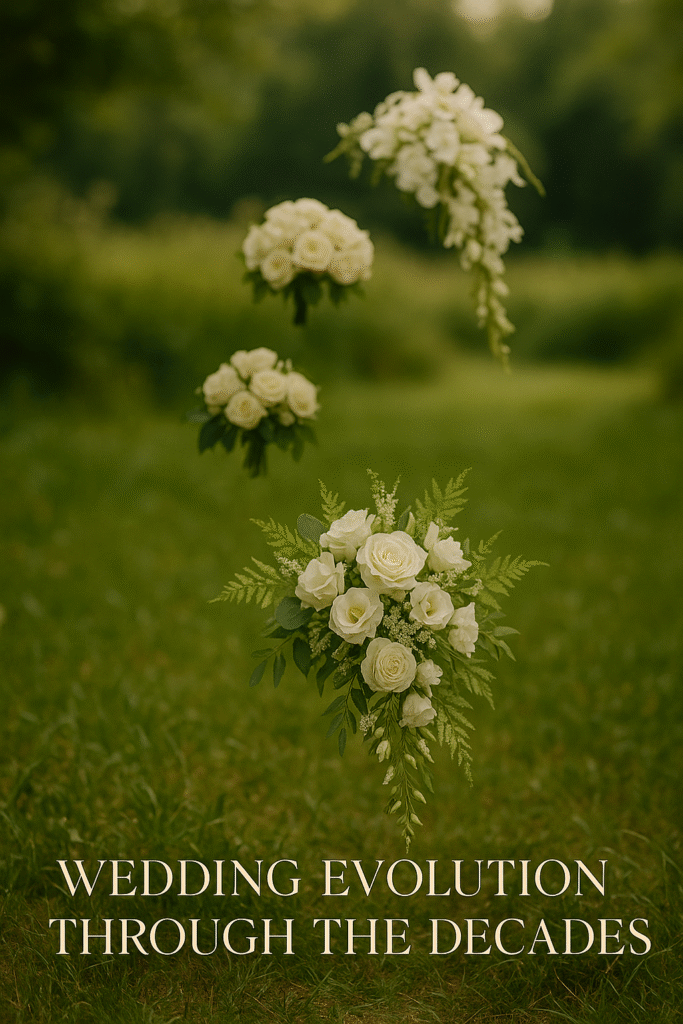
An editorial exploration of tradition, heritage, and the evolution of weddings through the decades
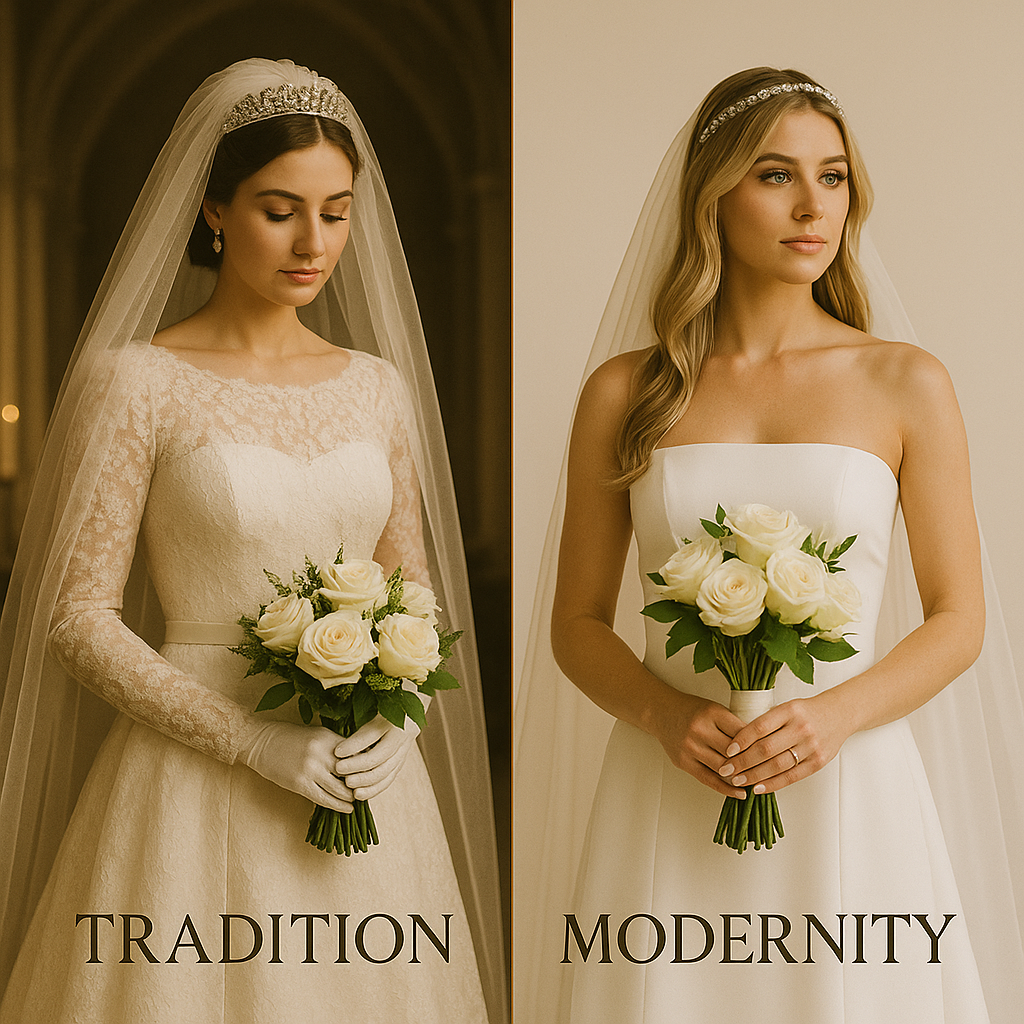
Weddings have always reflected the world in which they were created. They evolve with culture, fashion, economics, religion, and the historical events that have shaped each generation. Today, many couples find themselves balancing their own modern vision with the expectations of parents, grandparents, and even great-grandparents whose experiences of weddings were formed in completely different eras.
Understanding these generational differences is not about determining who is right. It is about recognising the context in which these expectations were shaped. Each generation lived through its own moment in history, influencing how they view love, commitment, celebration and tradition.
The following is a journey through the key decades that shaped wedding culture in Britain, and how the echoes of these eras continue to influence family expectations today.
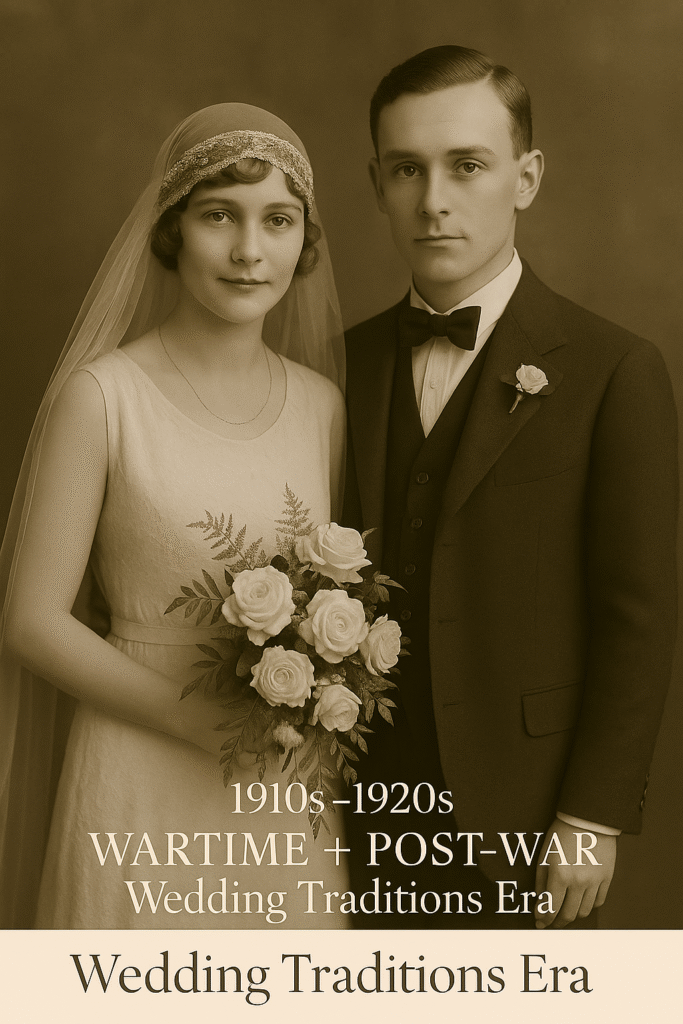
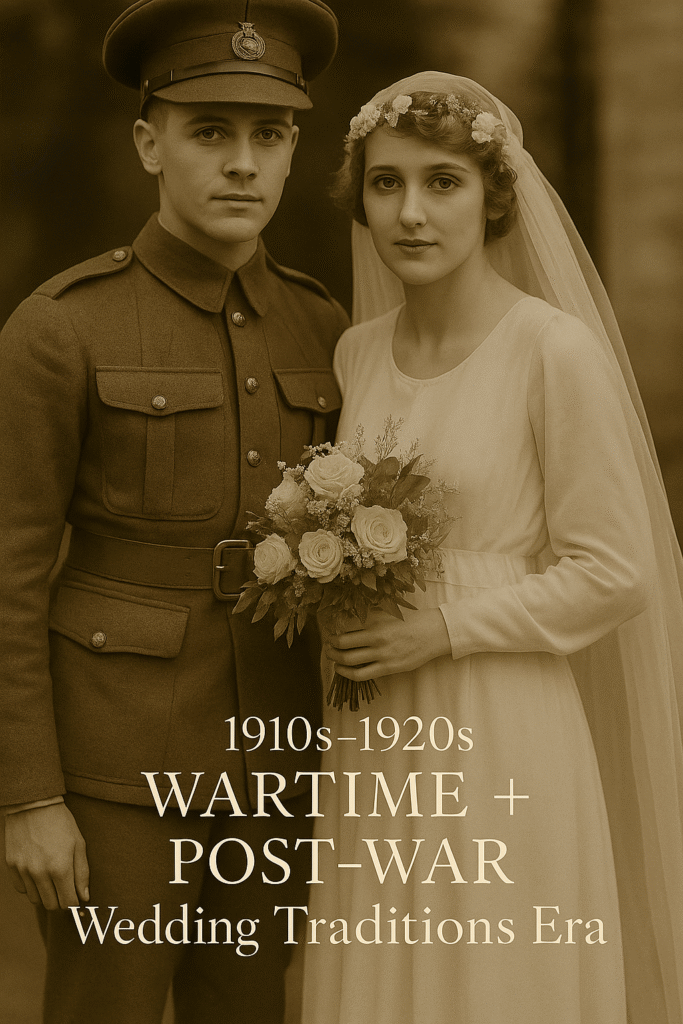
1910s–1920s: Wartime and Post-War Wedding Traditions
Weddings during and shortly after the First World War were emotional and understated. Many grooms married in uniform during brief periods of leave. Brides wore modest gowns, often handmade or borrowed, and carried small, simple bouquets.
In 1923, the nation celebrated the marriage of His Royal Highness The Duke of York, Prince Albert (later King George VI), and Lady Elizabeth Bowes-Lyon. Their Westminster Abbey wedding influenced 1920s bridal fashion, with Lady Elizabeth’s romantic floral crown and elegant gown inspiring a move towards softer, more graceful silhouettes.
Couples shaped by this era often value modesty, loyalty, practicality, and the symbolism of marriage in uncertain times.
1930s: A Decade of Quiet Refinement
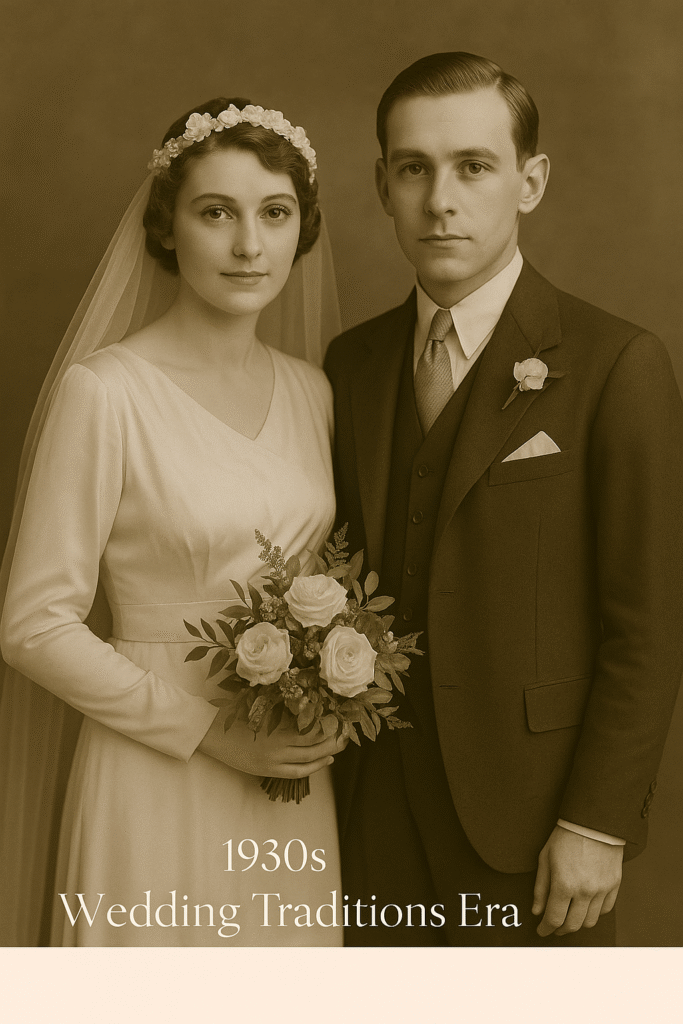
The 1930s introduced bias-cut gowns, soft curls, and understated weddings. Although Europe was moving towards conflict, weddings remained refined and elegant, reflecting a desire for stability.
Expectations from this era include simplicity, traditional roles, good manners and structured ceremonies, rooted in a belief in decorum and dignity.
1940s: Weddings of Strength and Sacrifice
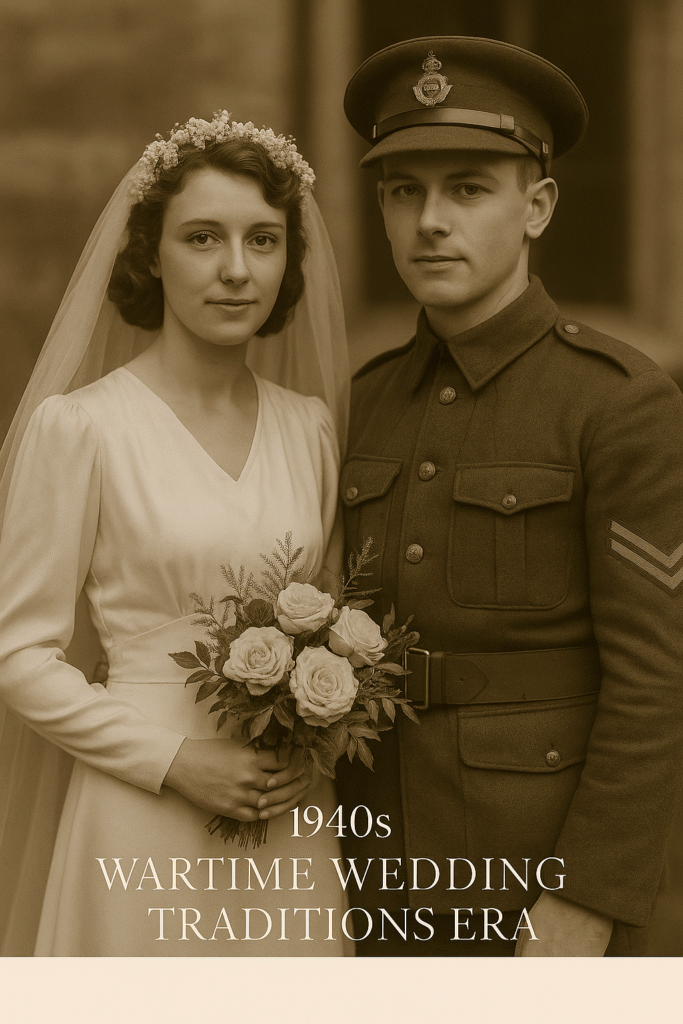
Weddings in the 1940s were shaped by the Second World War. Brides made dresses from parachute silk, curtains, or borrowed garments. Grooms often married in uniform. These ceremonies carried an unmistakable sense of courage and devotion.
A defining wedding of this decade was the 1947 marriage of Her Royal Highness Princess Elizabeth (later Her Majesty Queen Elizabeth II) to Lieutenant Philip Mountbatten (later HRH The Prince Philip, Duke of Edinburgh). Despite rationing, her satin gown and embroidered veil symbolised post-war hope and elegance, influencing 1940s bridal fashion across the country.
Families from this era tend to value unity, commitment, resilience and the gravity of vows.
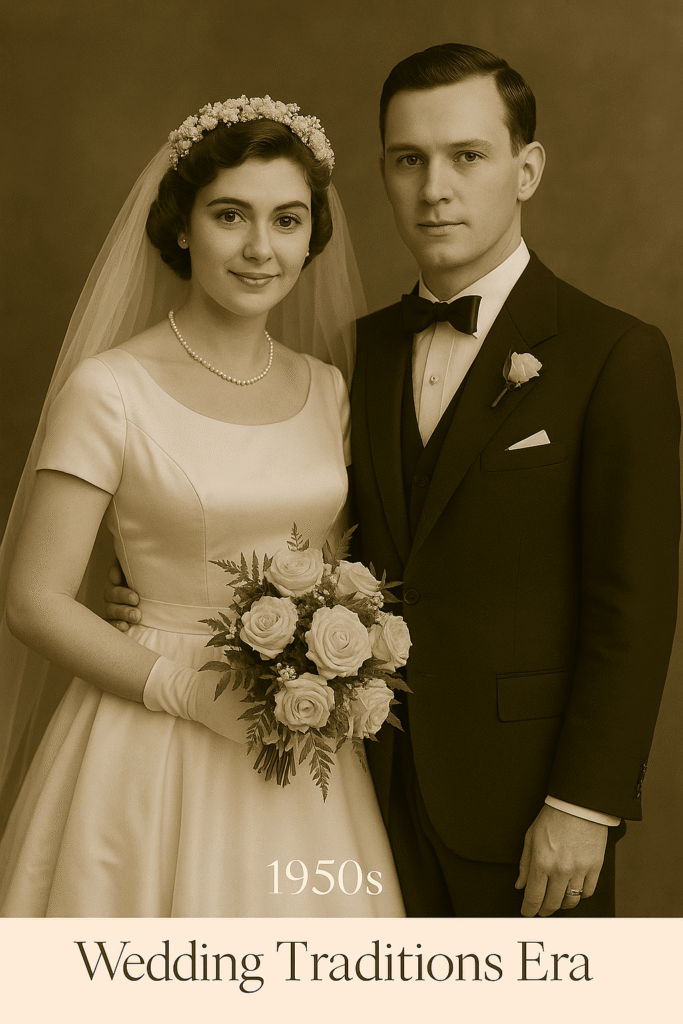
1950s: The Classic British Wedding
The 1950s ushered in a period of renewed optimism. Full skirts, pearls, gloves, elegant veils, and formal church weddings defined the decade. Many older relatives still consider this the quintessential “proper wedding.”
Expectations shaped by the 1950s often include formal etiquette, church ceremonies, sizeable guest lists, traditional speeches and classic portrait photography.
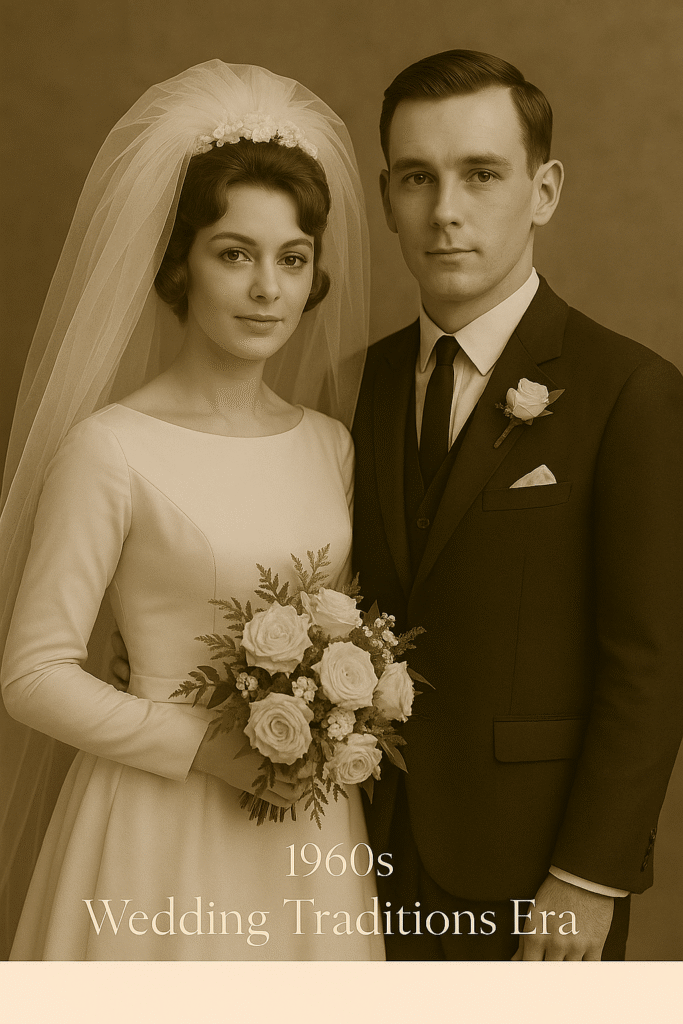
1960s: Tradition with Gentle Modernity
The early 1960s maintained the elegance of previous decades—sculpted veils, timeless gowns and sophisticated styling—while the later years saw gradual social change. Fashion, music and new cultural freedoms influenced bridal trends.
Families connected to this era often appreciate classic styling, meaningful photography and traditional family involvement, blended with early touches of modern individuality.
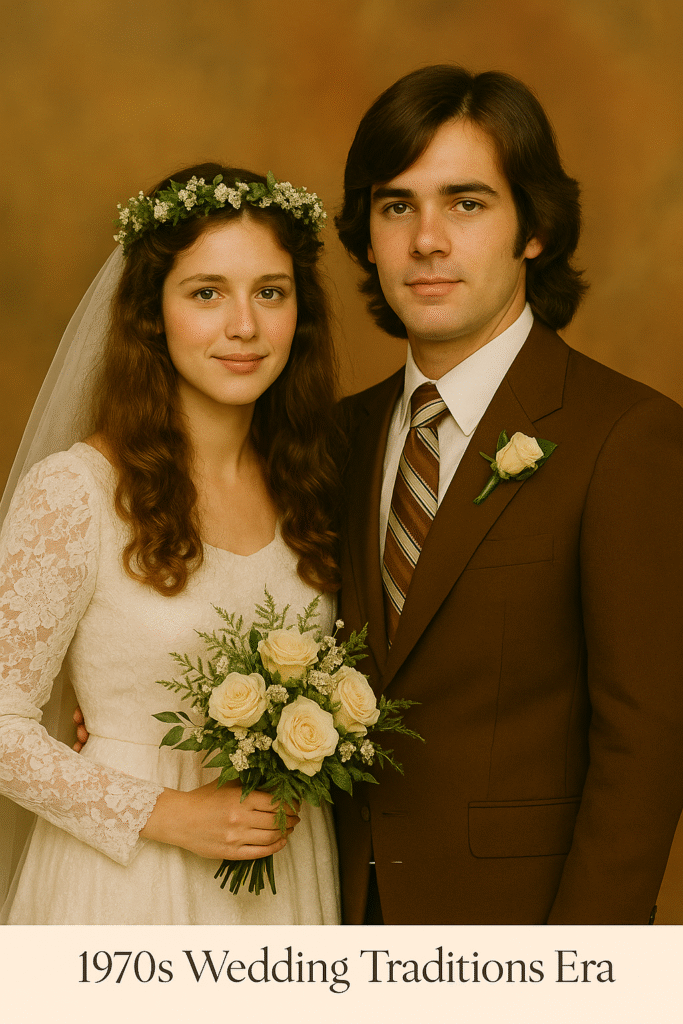
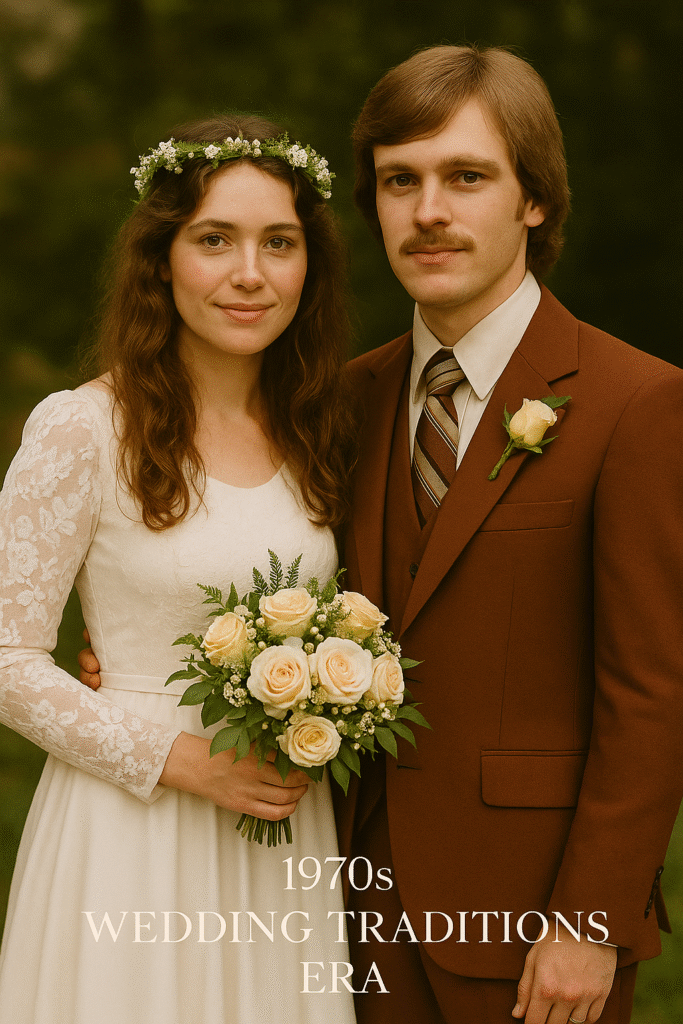
1970s: Romance, Nature and Personal Expression
The 1970s embraced a relaxed, expressive aesthetic. Natural hair, floral crowns, lace sleeves and bohemian influences emerged. Colour photography brought warmth and vibrancy to wedding imagery.
Expectations from this era often prioritise relaxed celebration styles, personal touches and less rigid formality.
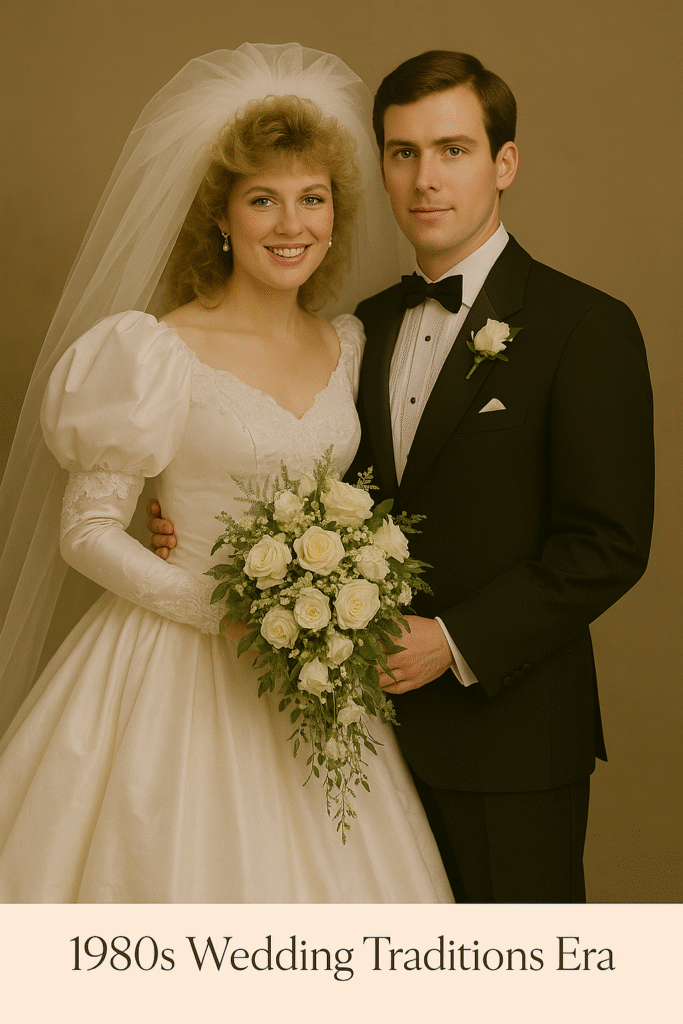
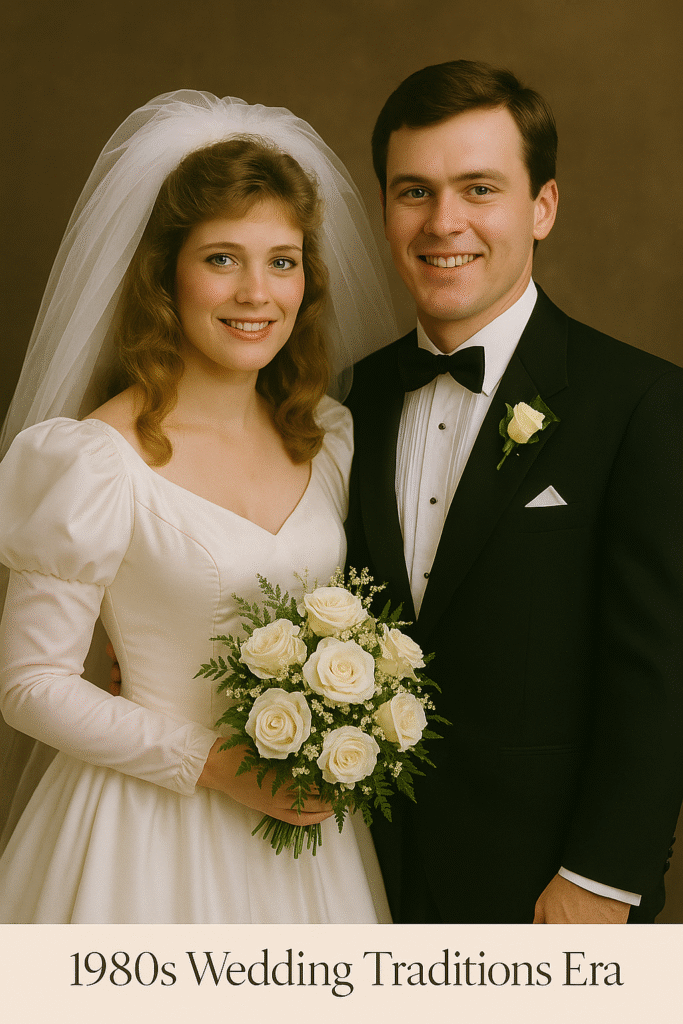
1980s: Statement Styling and Royal Influence
The 1981 wedding of the then His Royal Highness The Prince of Wales, Prince Charles (now His Majesty King Charles III), and Lady Diana Spencer shaped an entire decade of bridal fashion. Voluminous gowns, dramatic sleeves, cathedral-length veils and cascading bouquets became iconic.
Families shaped by this decade often anticipate a “big wedding” atmosphere, formal speeches, elaborate photography and a sense of grandeur.
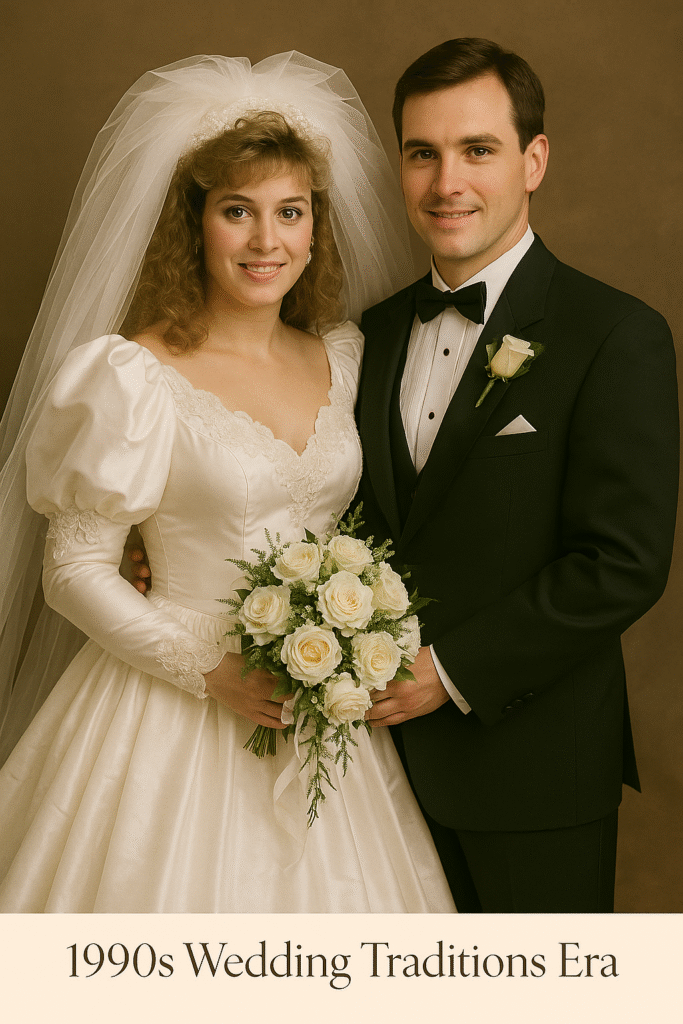
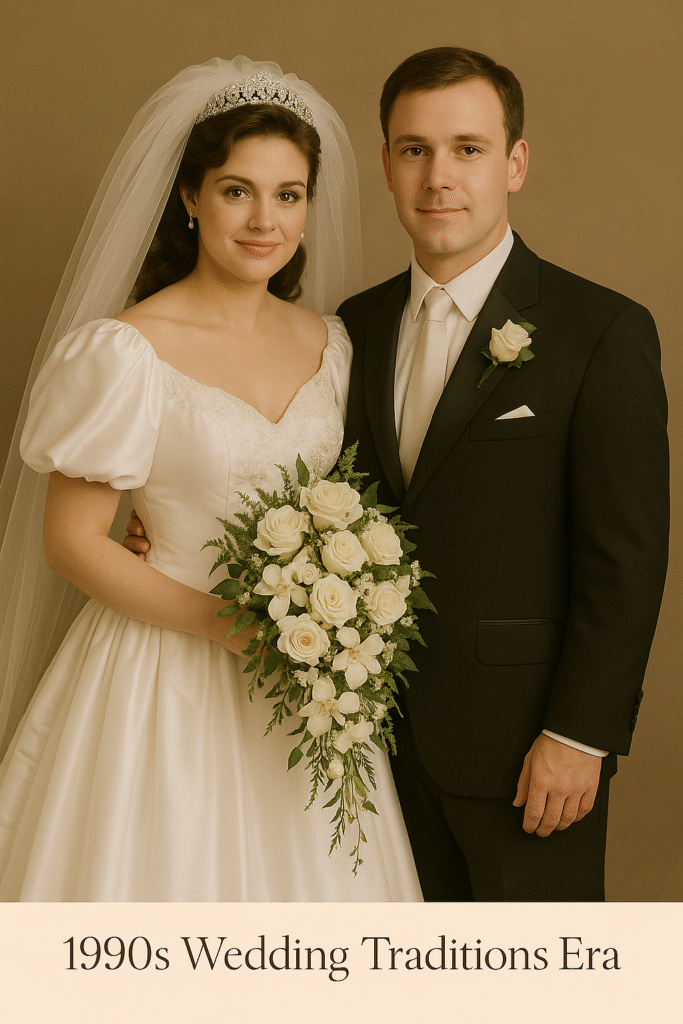
1990s: Satin, Taffeta and Soft-Focus Romance
The 1990s continued the love for statement gowns, long trains, bold veils and trailing bouquets. Photography favoured soft-focus studio portraits and pastel tones.
Expectations may include traditional schedules, classic silhouettes and a strong emphasis on formal family portraits.
2000s: Fresh Simplicity and Personal Choice
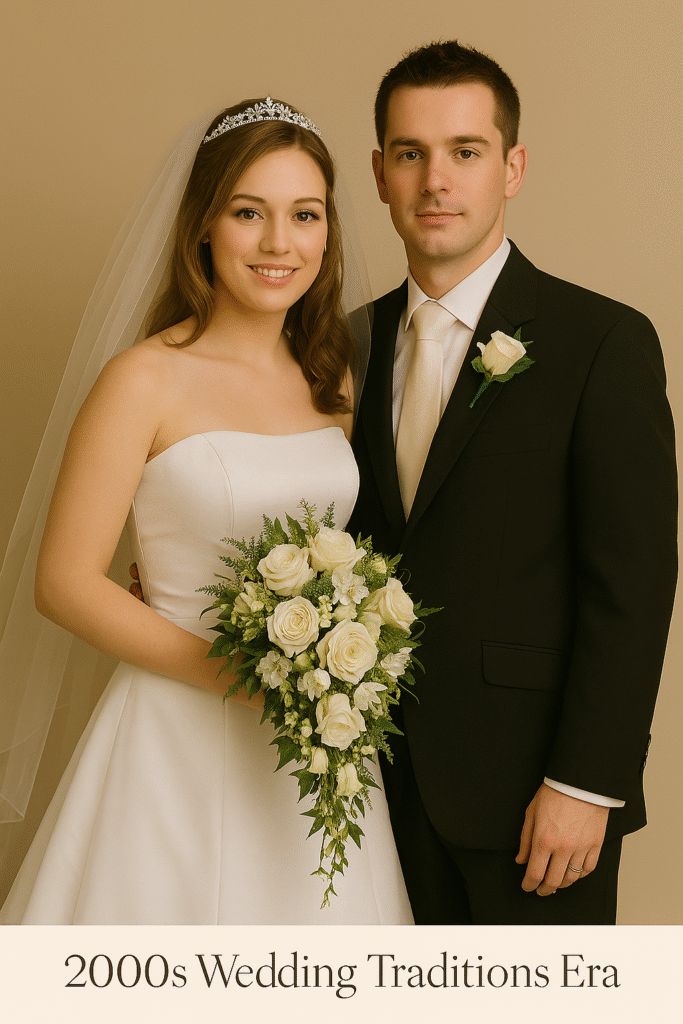
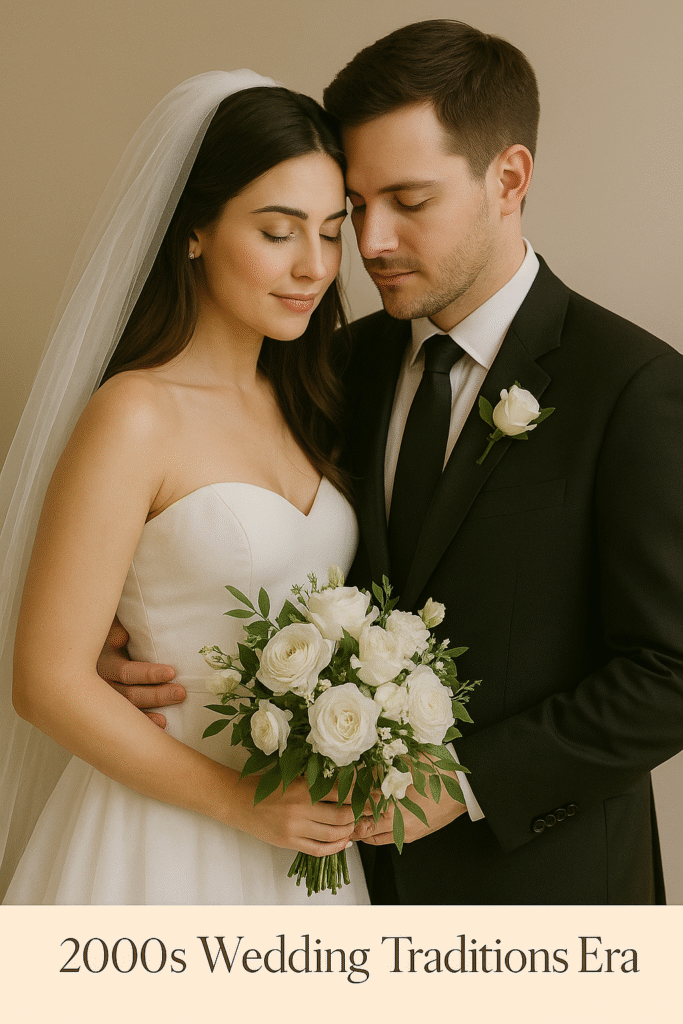
The 2000s brought strapless gowns, tiaras, fitted bodices and white-rose bouquets. Digital photography became mainstream, and hotel venues and countryside estates were popular choices.
Families influenced by this decade often value timeless simplicity paired with gentle tradition.
2010s: Royal Inspiration and Personal Aesthetics
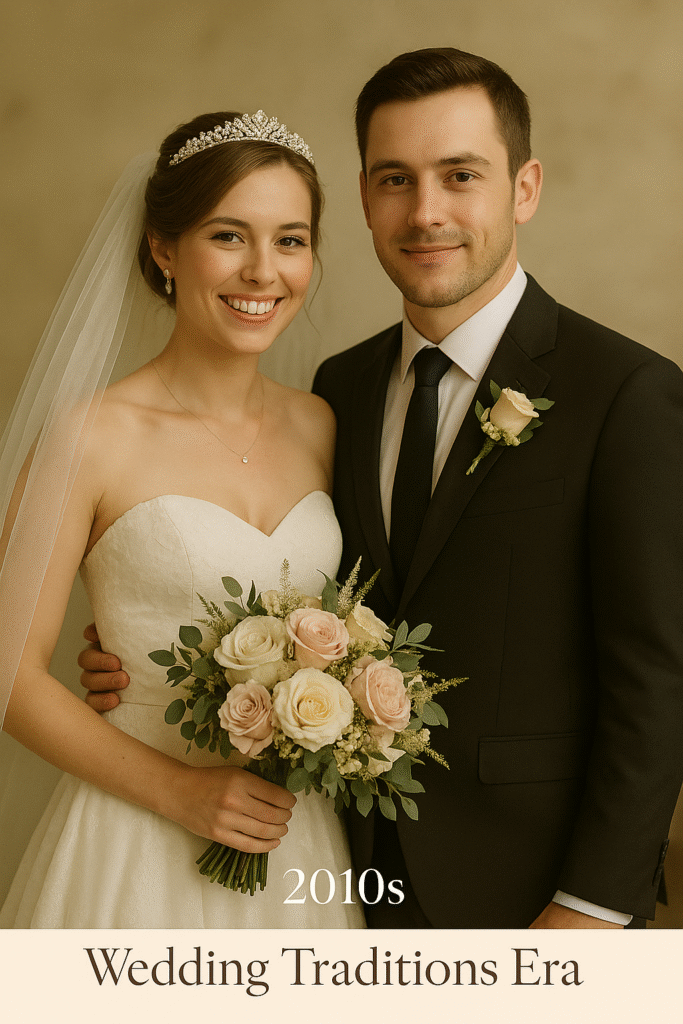
Weddings during the 2010s became increasingly personalised, influenced by Pinterest, soft-romantic styling, outdoor venues and documentary photography. Yet the most significant influence of the decade was the 2011 royal wedding of His Royal Highness Prince William, The Duke of Cambridge (now HRH The Prince of Wales), and Miss Catherine Middleton (now Her Royal Highness The Princess of Wales).
Her lace-sleeved gown, natural bouquet, and refined elegance shaped bridal fashion across the country, inspiring brides to merge tradition with modern romance.
This era values aesthetic detail, creativity, and weddings that truly reflect personal identity.
2020s: Intentional, Individual and Meaningful
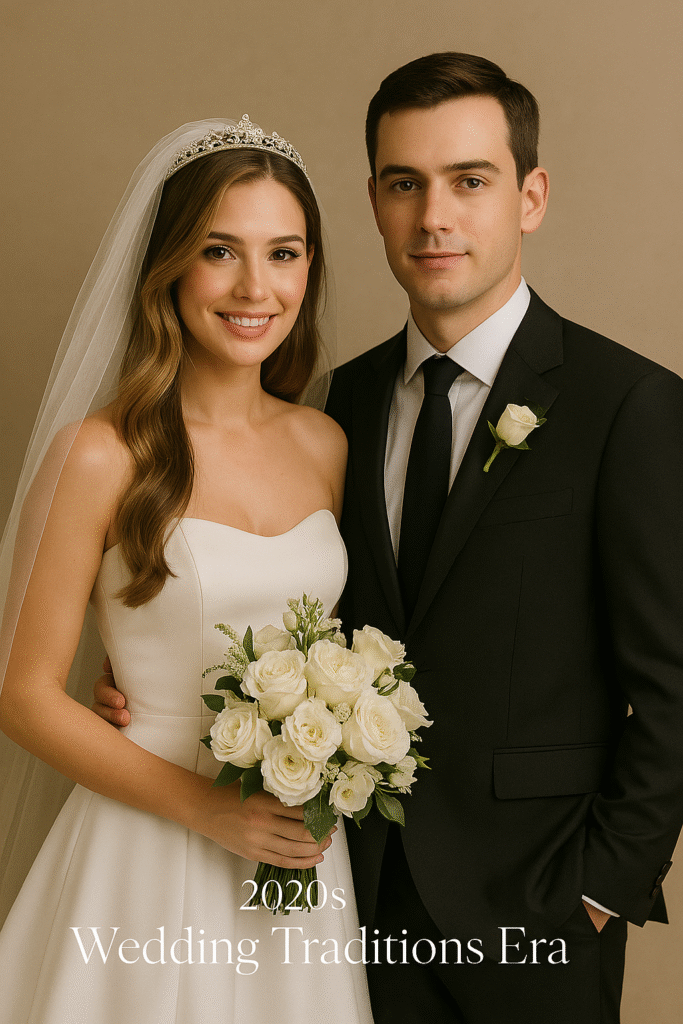
Today’s couples prioritise authenticity. Weddings in the 2020s embrace sustainability, minimalism,
micro-weddings, inclusive ceremonies and highly personal design.
This era values meaning over tradition, and emotional sincerity over formality.
Why Older Generations Hold Strong Wedding Expectations
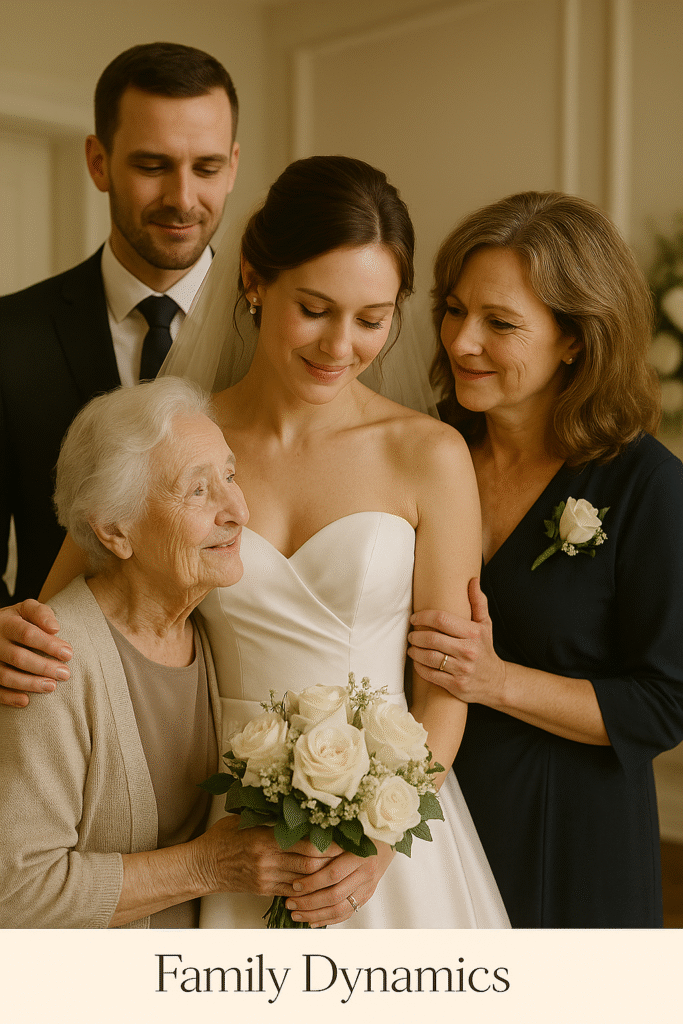
Family expectations are rarely rooted in stubbornness; they arise from lived experience. Earlier generations were shaped by times when:
- Church attendance was routine
- Weddings represented community standing
- Social roles were clearly defined
- Marriage was a cornerstone of adulthood
- Ceremonies symbolised respectability and stability
Understanding this context helps soften conversations and fosters empathy between generations.
Navigating Differing Expectations with Grace
Acknowledge their era.
Older relatives often want to feel understood and included.
Share your vision clearly.
People relax when they understand the meaning behind your choices.
Use unified language.
Present decisions as a couple, not as individuals.
Offer symbolic gestures.
Small acknowledgements can honour their values without compromising your own.
Set gentle but consistent boundaries.
Protecting your peace can be done kindly.
Scripts for Graceful, Constructive Conversations
When your family expects a large traditional wedding:
“We know weddings in your time were beautifully traditional. Ours will look different, but we hope it will feel just as meaningful.”
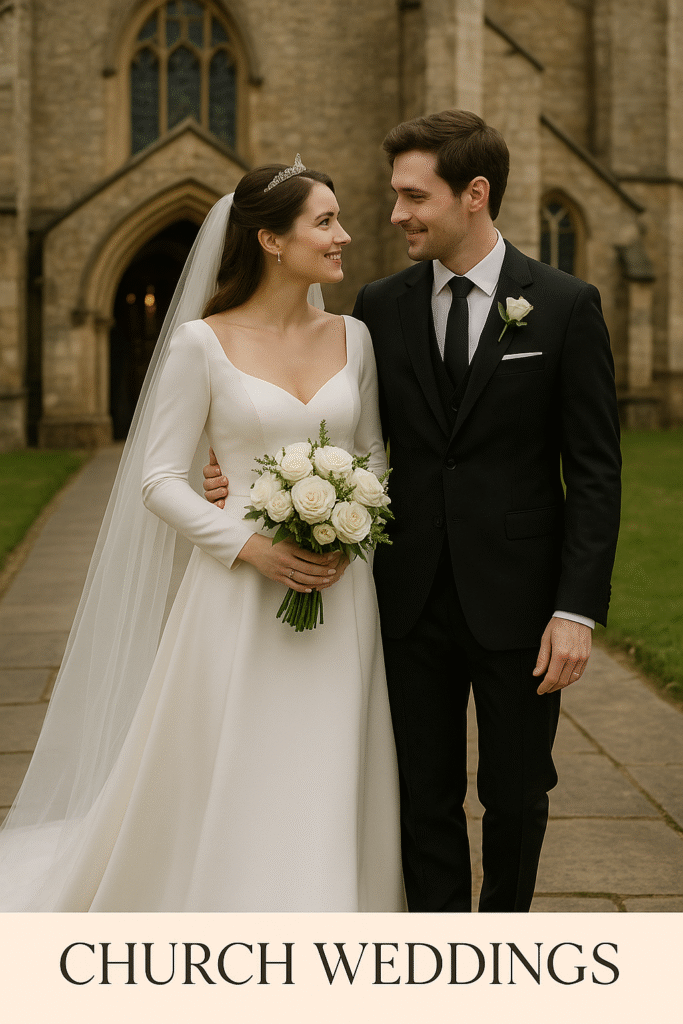
When someone insists on a church ceremony:
“A church wedding was very important in your era. For us, a ceremony that reflects who we are feels right.”
When guest list pressure arises:
“We understand weddings used to be much larger. Ours will be more intimate because that feels true to us.”
Honouring the Wartime Generations
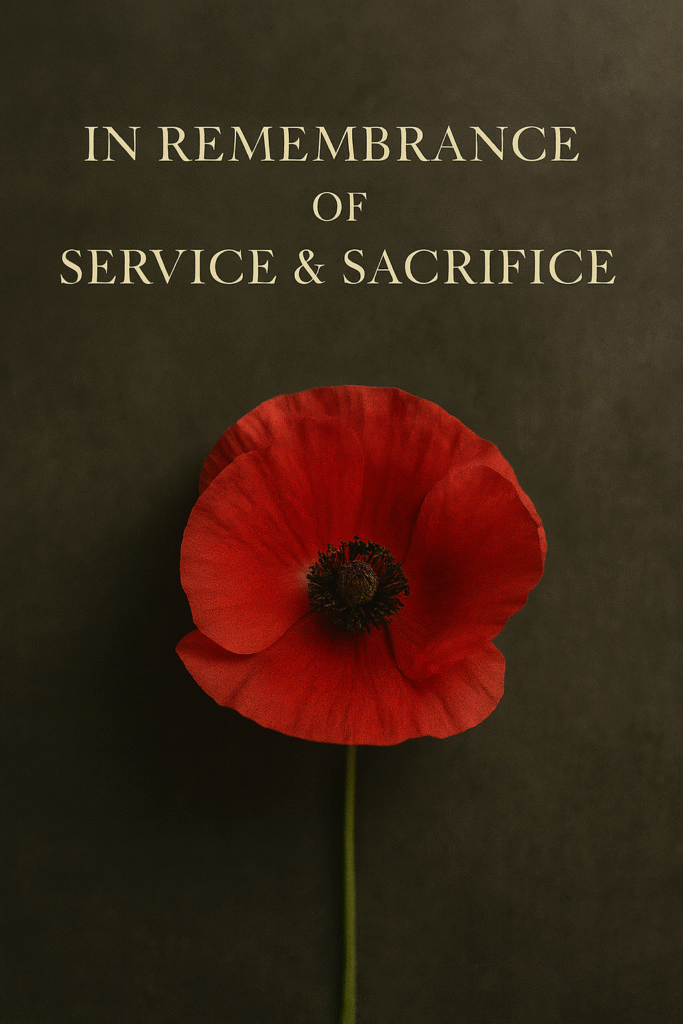
As we reflect across the decades, it is important to honour those whose weddings were shaped by war. Many couples married young sweethearts during brief periods of leave, with borrowed gowns and modest celebrations. These were weddings of courage, devotion and hope.
Their resilience laid the foundations of many families today. It is a privilege to remember them.
Final Reflection
Weddings have always mirrored the experiences of the generations that shaped them. Understanding the historical and emotional context behind older relatives’ expectations can transform difficult conversations into moments of connection.
Your wedding belongs to you.
But understanding the history that precedes it is a powerful way to honour your origins while embracing the future you are creating together.
Anya x